Battersea Man with Van in Battersea

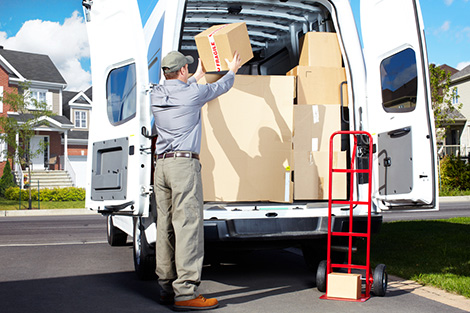
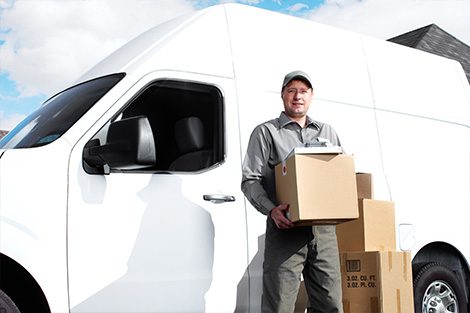
Battersea Man with Van provides practical moving support in Battersea for homes, flats and smaller business premises that need a careful, flexible transport service. The focus is on moving items safely, loading them well, and keeping the day organised from the first collection to the final placement. For customers who do not need a full removals crew, a man with van can be a sensible way to move furniture, boxes and mixed household items without booking a larger vehicle than necessary.
Our work is suited to straightforward local moves, single-item transport and planned collections where a van, loading help and sensible route planning matter. We can also help with items that need to be handled by hand before travel, such as awkward furniture, boxed belongings and carefully wrapped household goods. If you are comparing options, the best place to begin is by checking the main moving pages and then requesting a quotation using the contact route that suits you.
When you are ready, tell us what needs moving and share the details that matter most for the load. A brief list of items, the property type and any access notes help us understand the job properly. If you want to compare service styles first, review the moving pages below and choose the option that matches your situation before sending an enquiry.
Household moving help for Battersea

Household transport is at the heart of this service, especially where the move is smaller than a full house removal but still needs order and care. That might include a studio flat, a shared property, a one-bedroom home or just a group of larger items that are hard to move in a regular car. The aim is to keep the process simple: sensible loading, secure travel and clear placement at the destination. Where needed, our home moves page gives a broader view of domestic moving support.
Many household moves involve a mixture of furniture, bags, boxes and fragile items, so the job benefits from good packing and a steady loading sequence. Sofas, tables, wardrobes and appliances need different handling, and it is often more efficient when the lighter items are organised before the heavier pieces go in. For people who prefer help before moving day, packing and unpacking services can be relevant alongside the transport itself.
What a smaller move can include
A van-based move is often suitable when you need a practical service rather than a large-scale relocation. It can cover single rooms, shared flats, storage runs or the transfer of selected furniture between properties. A useful quotation usually reflects the item list, loading time, travel distance and any handling needed on stairs, through narrow entrances or from upper floors. If you want to compare item types before booking, the furniture pick-up page is a useful place to start.
Furniture, appliances and careful loading

Furniture transport often needs more than a van. It needs careful assessment of size, weight and shape so that each item is moved without avoidable knocks or strain. Large furniture may be easier to carry with two people, and some items need to be wrapped or protected before loading. A well-planned van job also makes room for smaller pieces to be stacked safely around the heavier items. For related household clearances, the fridge and appliance removal page explains one common type of item handling.
Appliance moves deserve particular attention because they can involve awkward weight, residual water, cords or doors that must be secured. The same is true of sofas, mattresses and bulky chairs, which are often straightforward to move in expert hands but difficult to carry without planning. If the load includes several awkward household pieces, grouping them by size and fragility helps the work stay efficient and reduces the chance of damage during transit.
Where disposal is part of the job rather than re-delivery, it is important to separate reusable transport from waste-related work. Some customers only need an item moved to another address; others want an old item taken away responsibly. That difference affects how the job is planned, and it is one reason a clear description is so useful. For item-specific disposal, see mattress and sofa disposal or the broader hazardous waste disposal page where relevant.
Commercial transport and office moves

Not every van job is domestic. Small businesses often need an organised transport service for desks, chairs, archive boxes, display materials or equipment that does not justify a full relocation package. A business move can be staged carefully so that essential items are kept separate from less urgent stock or furniture. If your requirement is broader, our commercial moves page explains the commercial side of the service in more detail.
Office relocation work is usually smoother when the items are grouped by room or department before loading. That helps keep desks with desks, files with files and fragile screens or devices away from heavier furniture. Good labels, access notes and a sensible delivery sequence all help the day run better. For workplaces needing a more specific office relocation service, the office relocation services page can help you compare what is involved.
Some commercial enquiries also include transport for movable equipment, stock runs or replacement furniture arriving at the same time as an outgoing load. In those cases, it is useful to say which items must travel first and whether anything needs to be positioned in a particular room or bay. If you are arranging a mixed business load, a clear list is usually the simplest way to request a quotation. One conversation is often enough to establish the right vehicle and handling plan.
Planning the right van job

The best van jobs are usually the ones that are planned with the load in mind. That means working out whether the job is a single collection, a return journey, a one-way move or a sequence of stops. It also means knowing whether the main challenge is volume, weight, access or time. A compact but busy job may need the same care as a larger one, especially where items must be carried through shared hallways or up several flights of stairs. If you are comparing vehicle sizes, the moving truck page may help you judge the difference between van-based and larger transport options.
For some customers, the main question is whether to book a simple man and van service or a more structured removal option. That depends on how much help is required with carrying, sorting, loading and delivery. The man with van approach is often a good fit when the job is moderate in size and the items are ready to move. For a fuller overview of the core service, you can also read the man and van page, which covers the same practical moving style from a slightly broader angle.
Useful details for a quotation include the collection and delivery points, the number and type of items, floor levels, lift access, parking limits and any deadline that matters. A short inventory is usually enough to identify the main workload, and photographs can help where an item is unusually large or delicate. Keep the description honest and simple so the quote reflects the actual job, not a guess.
Packing, access and moving-day preparation
Good preparation does not need to be complicated, but it does make a difference. Boxes should be closed properly, fragile items separated where possible and loose contents secured. If a sofa, wardrobe or appliance needs dismantling before it can travel, that should be mentioned early so the job is planned correctly. A small amount of preparation can save time, but the main goal is always safer handling rather than speed for its own sake. If you need support with the wrapping and unpacking stage, the packing and unpacking services page gives a helpful outline.
Access matters just as much as packing. Narrow hallways, low ceilings, gated entrances, controlled parking and shared stairs can all change the best way to move a load. Where there is limited room outside the property, the vehicle position may need a little extra thought so that carrying distances stay manageable. The most useful quotations are based on the real conditions, not on a best-case assumption that everything will be easy on the day.
When the route includes pick-up from storage or delivery to a new property, keep the order of stops clear. If there are items that must be delivered first because they are needed immediately, say so in advance. Clarity at the start helps avoid confusion later, especially where the load includes both essential household pieces and items that can be set down after the main move.
Waste, recycling and item disposal options
Sometimes a van booking is needed not for relocation but for removal. That can involve unwanted furniture, old appliances or mixed items that are no longer needed at the property. In those cases, it helps to separate reusable moving work from disposal work because the handling, destination and preparation can differ. For example, an item being moved to a new address is not treated in the same way as an item being taken away for disposal or recycling. The dedicated recycling and sustainability page explains the broader approach to responsible handling.
Specific disposal pages can also be useful when the load is narrow in scope. A mattress or sofa may need its own collection plan, while a fridge or other appliance can require more careful preparation before removal. When a customer knows which items are leaving and which are staying, it becomes easier to arrange the right job from the outset. That is especially true if the collection point is different from the delivery point, or if the removal has to happen before another property move can begin.
For business customers, the same principles apply to old stock, office furnishings and items cleared during a refurbishment. Waste-related transport should be described clearly so the service can be organised appropriately. If you are uncertain whether a particular load is best described as moving or disposal, a short enquiry with item details is usually enough to sort that out before the work is booked.
About Battersea
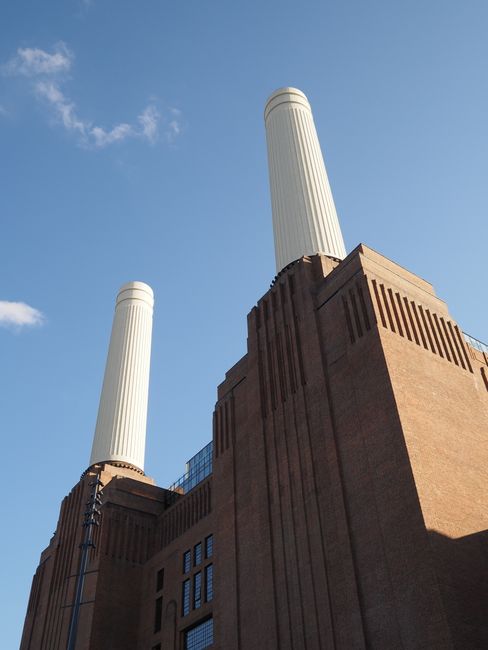
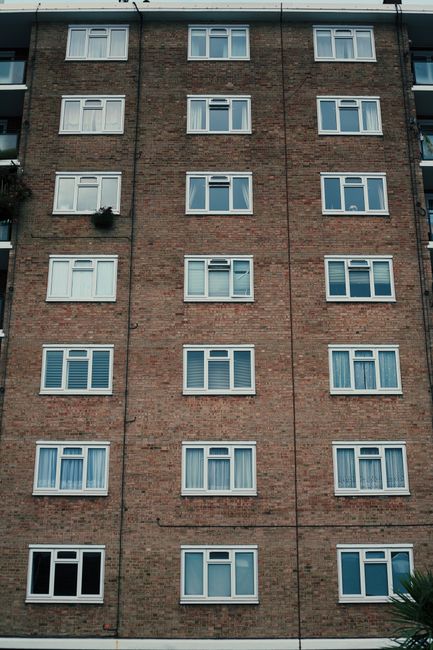
Battersea is a district in southwest London on the south bank of the River Thames, opposite Chelsea, and it has long been shaped by the meeting of riverside land, transport links and changing patterns of development. The area includes the well-known Battersea Park, laid out in the nineteenth century on reclaimed marshland, as well as the prominent riverfront presence of Battersea Power Station, one of London’s most recognisable industrial landmarks. Its identity has shifted over time from riverside industry and rail-connected trade to a densely lived-in urban district with apartments, terraced streets and regenerated waterfront spaces. The local street pattern still reflects older layers of development, while newer buildings introduce a more contemporary skyline. Battersea Park remains a major green space, with gardens, open paths and sporting areas that contrast with the busy streets around it. The district also sits close to the River Thames Path, so movement through the area often alternates between riverside openness and tightly built residential roads. Historic railway infrastructure, including the lines and bridges serving the district, has influenced the way Battersea grew and connected with central London. Together, these features give Battersea a mix of architectural periods, public spaces and waterside landmarks that continue to define its character.
Why this moving service suits different jobs
A van-based move can be a good match where the load is genuine but not extensive enough for a large removals package. It suits customers who want practical transport, careful handling and a service that can adapt to a mixed load. Some jobs are straightforward and others need a little extra organisation, but the underlying aim is the same: move the items safely, keep them together and deliver them in good order. For a broader overview of removals, you may also find the house removalists page useful when comparing more complete moving help.
There are also times when customers want the vehicle, the loading help and the route planning but do not need everything that comes with a full-scale house move. That might be because the job is local, the item count is modest or the delivery is to a storage unit rather than a full home. In those situations, a simpler arrangement can be more efficient while still giving proper care to furniture and boxed goods. If a moving truck would suit better, the removal truck hire page is there for comparison.
For a quotation, the most useful step is to list the pieces that matter most and state whether they need to be carried, dismantled, wrapped or moved between floors. Then choose the contact route that suits you best and send the details through for pricing. If you would like a final point of reference before you enquire, the pricing and quotes page is the best place to start.
Getting a quote for Battersea moves
We aim to keep enquiries clear and practical. A good quote usually depends on the volume of items, the type of load, the access at both addresses and the distance between collection and delivery. If there are narrow stairs, limited parking or heavy items that need more than one person to carry, mention that from the outset so the quotation reflects the real work involved. For customers who prefer to arrange the job online, the book online page may be the simplest route.
Before you send an enquiry, it can help to check whether the move is domestic, commercial, disposal-related or a mixture of more than one. That way the work can be matched to the right service page and described accurately. If you need to discuss a wider arrangement, such as a combination of moving and office transport, the earlier service pages should give you a clear starting point. Simple, accurate information is usually the fastest route to a useful quotation.
Request a quotation when you are ready, and we will use the information you provide to shape a practical moving plan. If the job involves mixed items or a specific handling request, include that in your message so nothing important is missed. A clear list today helps make the move easier tomorrow.